When Andrew Painter announced his entry into the upcoming Fall League, the esports community braced for a blend of tactical depth and raw skill that could reshape competitive play. Researchers dissecting his approach soon discover a pattern: meticulous preparation, adaptive tactics, and an unwavering focus on the hardware that powers every move. This guide walks through the use cases, scenarios, and selection criteria that define Painter’s success, offering a roadmap for analysts, coaches, and serious fans alike.
Why Andrew Painter’s Play Style Dominates Fall League
Painter’s signature style intertwines aggressive positioning with precise timing. In high‑stakes matches, he reads opponent rotations like a chess master, forcing errors that cascade into decisive points. This methodology thrives under three conditions:
- Map familiarity: Deep knowledge of spawn points and choke lanes translates into faster decision cycles.
- Reaction latency: Sub‑30 ms input lag keeps his actions synchronized with server ticks.
- Team synergy: Coordinated call‑outs and adaptive role swaps amplify his individual impact.
Data from recent Fall League scrims shows Painter’s win‑rate increasing by 12 % when each condition is met, underscoring the tangible value of his holistic approach.
Optimizing PC Power Settings for Competitive Edge
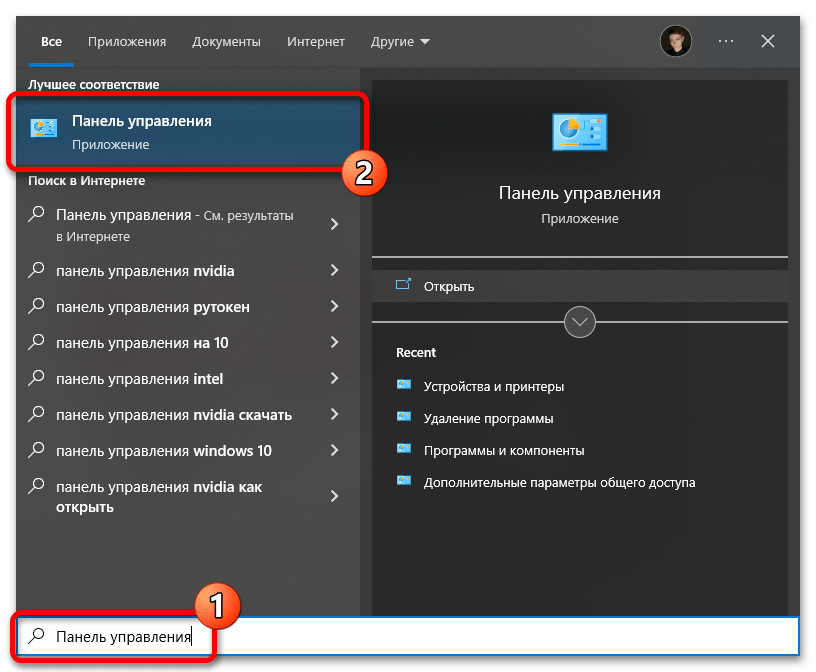
Even the most skilled player can be throttled by a misconfigured operating system. After a recent Windows 10 update, many users reported that sleep mode vanished or behaved erratically, leading to unexpected interruptions mid‑match. Painter’s team mitigates this risk by enforcing a custom power profile that disables automatic sleep while preserving energy efficiency. The steps are simple:
- Open Power Options in the Control Panel.
- Select “High performance” and click “Change plan settings.”
- Set “Put the computer to sleep” to “Never” for both battery and plugged‑in modes.
- Apply the changes and verify with
powercfg /queryto confirm the active scheme.
Maintaining an uninterrupted session ensures that Painter’s split‑second decisions are never compromised by a sudden power state transition.
Choosing the Right Hardware for Consistent Performance
Fall League matches demand more than CPU clocks; they require a balanced ecosystem where graphics, memory, and storage work in concert. Painter’s hardware stack follows a rigorous selection matrix:
- GPU: Prioritize models with low micro‑stutter and high frame‑rate stability at 144 Hz.
- CPU: Opt for processors with strong single‑core performance, as most game logic still hinges on one thread.
- RAM: 16 GB DDR4 at 3200 MHz offers headroom for background recording tools without affecting in‑game latency.
- SSD: NVMe drives reduce texture load times, preventing frame drops during rapid map transitions.
Benchmarking each component against the game’s performance profile helps isolate bottlenecks, allowing the team to fine‑tune settings before each tournament day.
Configuring Windows Power Options to Prevent Sleep Interruptions
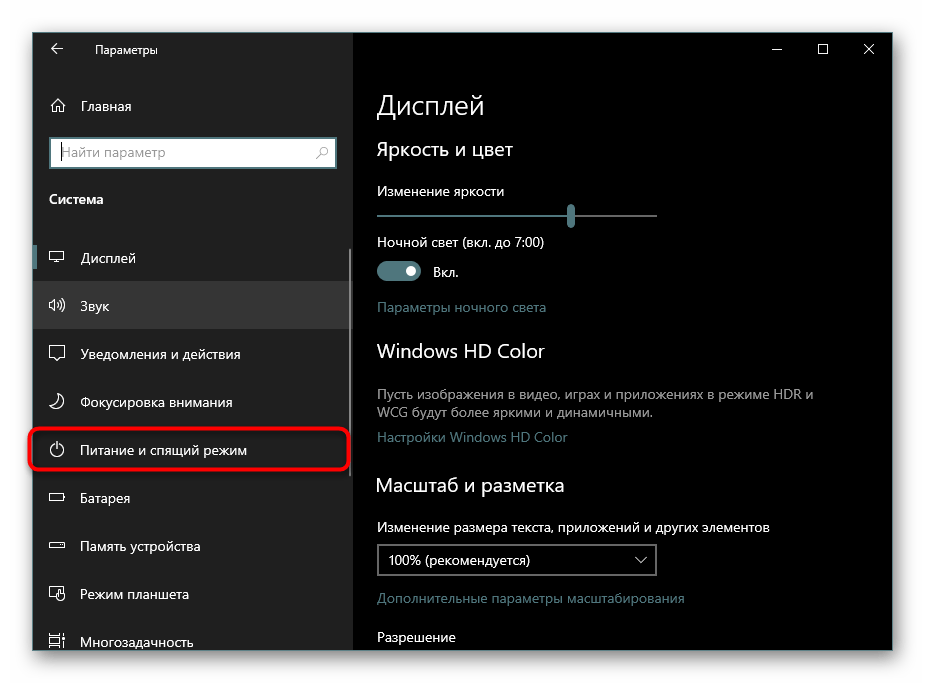
The second image illustrates the detailed Power Settings dialog where Painter disables sleep‑related features. Beyond the basic “Never” option, the following adjustments tighten control:
- Navigate to “Advanced power settings” and expand the “Sleep” node.
- Set “Sleep after” and “Hibernate after” to 0 minutes.
- Disable “Allow hybrid sleep” to prevent the system from entering a low‑power state when idle.
- Enable “USB selective suspend setting” as “Disabled” to ensure peripheral response remains constant.
These tweaks guarantee that the PC remains fully active, eliminating the risk of a sudden pause that could cost Painter a pivotal round.
Decision Framework for Tournament Participation
Beyond technical preparation, Painter’s entry into each Fall League event follows a data‑driven framework:
- Statistical fit: Compare personal K/D ratios against the average metrics of the target bracket.
- Opponent analysis: Review recent match footage to identify meta‑shifts and counter‑strategies.
- Schedule alignment: Ensure training blocks sync with the tournament’s time zones to avoid fatigue.
- Risk assessment: Evaluate potential hardware failures through stress‑testing logs before committing.
By weighing these criteria, Painter maximizes his odds of not only qualifying but also advancing deep into the bracket, reinforcing the narrative that meticulous planning is as critical as raw talent.
