Endrick, the Brazilian prodigy who burst onto the senior stage at barely 16, has become a focal point for enthusiasts who track talent pipelines. Understanding his potential, the obstacles he faces, and what a realistic development curve looks like can help seasoned hobbyists separate hype from substance.
Immediate Impact vs. Long‑Term Value
Endrick’s first‑team minutes at Palmeiras showcased natural flair, but the transition to European leagues demands more than raw skill. The following points outline the core pros and trade‑offs:
- Pros: Exceptional ball control, instinctive positioning, and a knack for finding space in tight lines.
- Trade‑offs: Physical maturity lags behind peers; tactical awareness in high‑press systems still evolves.
- Realistic view: Expect a three‑ to five‑year window before he consistently impacts top‑tier matches.
European Pathways: Italy as a Launch Pad
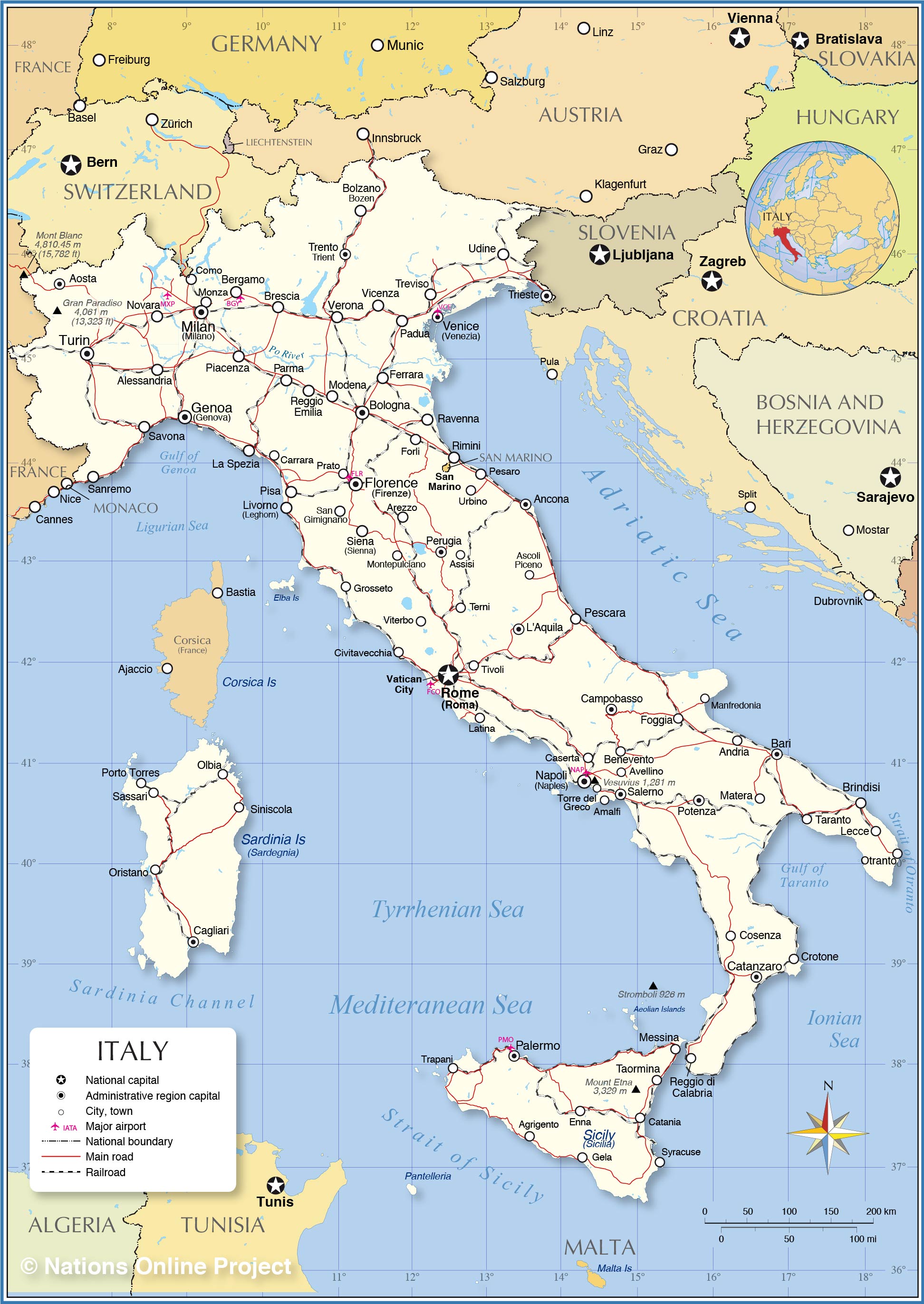
Italy’s club network presents a credible stepping stone for South American talent. Serie A’s emphasis on tactical discipline aligns with the training needed to refine Endrick’s innate creativity. Clubs such as Juventus and AC Milan maintain youth academies that prioritize positional play, while smaller Serie B outfits often grant faster first‑team exposure. For hobbyists monitoring transfer rumors, the Italian market tends to act as a “bridge”—offering both competitive depth and a platform for gradual integration.
Training Environments: Climate, Facilities, and Lifestyle
Beyond the pitch, the environment shapes a youngster’s growth. Endrick’s adaptation to differing climates, such as the temperate Mediterranean conditions of Italy, can affect stamina and injury risk. Quality training grounds, medical staff, and language support are non‑negotiable variables. Players who thrive in structured academies—receiving individualized nutrition plans and mental coaching—typically demonstrate steadier progress than those thrown into a senior squad without such scaffolding.
Detailed Mapping of Opportunities: The Italian Landscape
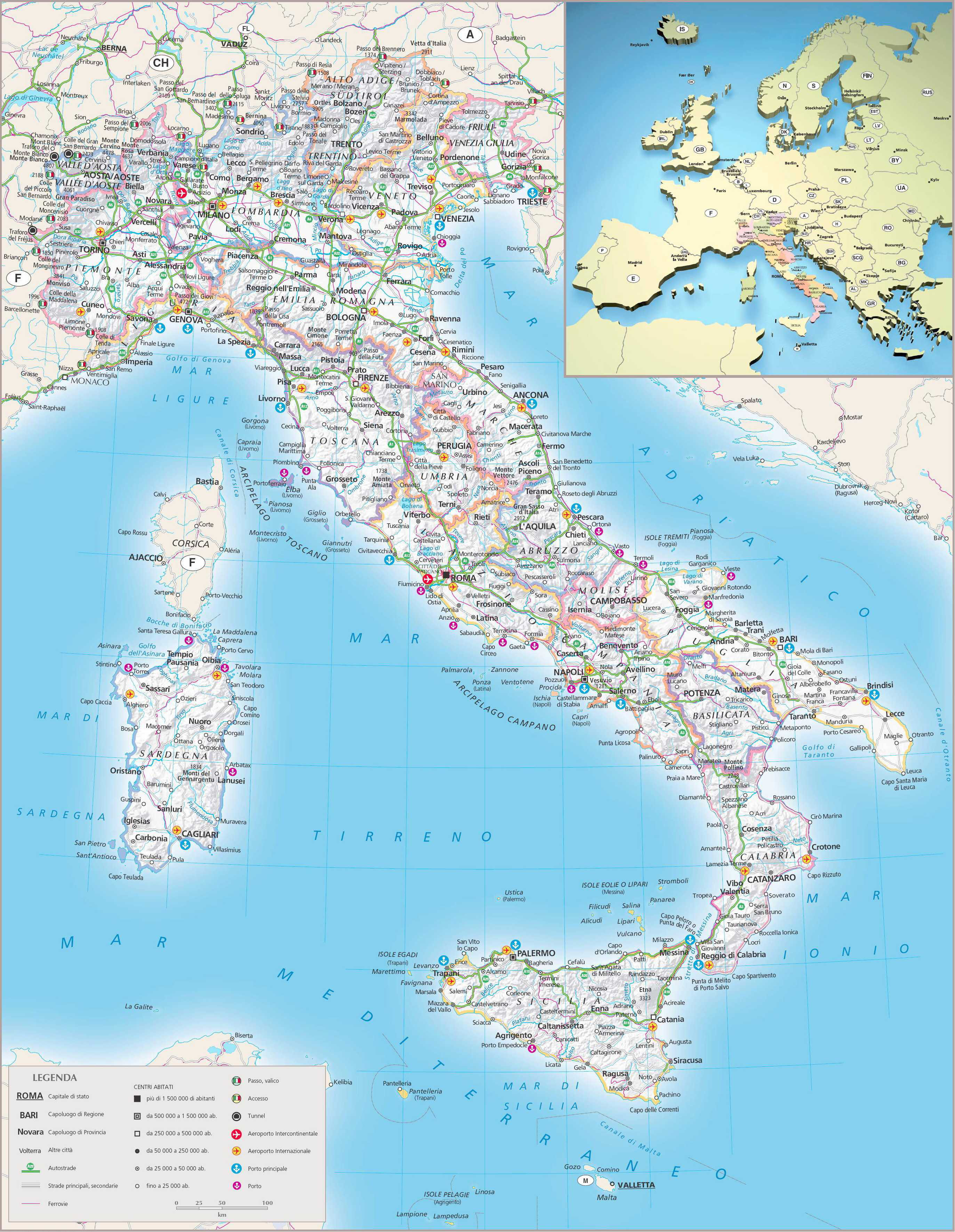
This high‑resolution map highlights the logistical reality of scouting trips. Major hubs—Milan, Rome, and Naples—host the majority of professional clubs, while smaller cities like Bologna and Genoa house reserve squads that frequently compete in youth tournaments. Understanding these routes helps hobbyists predict where Endrick might train, travel, or be featured in preseason friendlies, adding a layer of geographic intelligence to talent assessment.
Balancing Expectations: What a Hobbyist Should Anticipate
Seasoned followers know that player trajectories rarely follow a straight line. For Endrick, a balanced outlook includes:
- Monitoring his minutes in competitive fixtures, not just highlight reels.
- Evaluating his adaptability to different tactical systems—pressing, possession, and counter‑attack.
- Assessing off‑field growth: language acquisition, cultural integration, and professionalism.
When these factors align, Endrick can transition from a high‑potential prospect to a dependable senior player. Until then, hobbyists should enjoy the moments of brilliance while maintaining a pragmatic lens on his long‑term development.
